
Top Eco-Conscious Interior Design Firms in Dubai
Sustainability has shifted from marketing spin to a real design imperative in Dubai, and 2026 marks a pivotal year for this transition. The UAE Net Zero 2050 plan and Dubai Municipality’s updated 2026 fit-out standards are pushing the industry toward lower-carbon materials, healthier interiors, and more efficient structures. For owners and businesses, sustainable interior design now offers real benefits, including reduced running costs, better indoor air quality, and future-proofing against tighter regulation. Here, we spotlight the firms and approaches driving the transition, starting with Dubai’s most established green specialist. It also unpacks the 2026 eco movements transforming the market and the regulations you need to understand before you build. All figures shown here are market-level approximations rather than quotes, and we assign no certification to any firm beyond what is publicly established.
Summertown Interiors: Dubai’s Pioneering LEED Specialist
Summertown Interiors is the natural point of departure for any talk about sustainable interiors in Dubai. Concentrating in office, corporate and commercial fit-out, the firm keeps a deliberate focus on sustainability and LEED-certified, healthier workplaces. That positioning matters because commercial interiors are where energy use, indoor air quality, and material choices have the biggest measurable impact. Rather than resting on marketing claims, LEED, the globally recognised green-building standard, validates performance across energy, water, materials and occupant wellbeing. For businesses that want their workplace to embody real environmental commitment, a specialist with this focus is a natural first call. As commercial fit-outs are estimated at roughly AED 220 to 650 per square foot in 2026, sustainable specifications typically fall within the upper half of that range, though lower running costs can recoup the premium over time.
The 2026 Sustainable Design Trends Defining Dubai
A handful of distinct trends shape sustainable interiors across Dubai in 2026, and grasping them helps you brief a studio well. The market is shifting beyond token gestures toward measurable performance, healthier materials, and smarter building systems. Because these trends overlap, a well-designed project tends to combine several at once firas alsahin dubai rather than treating them in isolation. They also align with the UAE Net Zero 2050 strategy and Dubai Municipality’s 2026 fit-out direction, which increasingly rewards efficient, low-carbon design. The three movements below are the ones owners raise most frequently this year. Every one provides an environmental benefit alongside a tangible gain in comfort or cost.
Biophilic Interiors and Wellness
By linking interiors to nature, biophilic design has become one of the defining wellness trends of 2026. In practical terms, that means plenty of natural light, indoor planting, natural textures and layouts that improve air quality and mental wellbeing. Study after study ties these features to lower stress, sharper focus and greater satisfaction across homes and workplaces. Given Dubai’s climate, biophilic schemes are carefully tuned so that greenery and daylight improve comfort without inflating cooling loads. It combines naturally with sustainable materials and efficient building systems, producing a coherent, health-led result. If you want deeper background, the Design Middle East overview of 2026 biophilic trends is a helpful reference.
Eco-Materials and Warm Minimalism
Material choices are where sustainable intent takes shape, and 2026 favours low-impact, tactile finishes. Designers increasingly choose low-VOC paints, recycled and reclaimed elements, responsibly sourced timber, and locally produced joinery to cut embodied carbon. It dovetails with the warm-minimalism look now popular across Dubai, one that celebrates natural stone, wood and honest textures over synthetic excess. Locally manufactured joinery is doubly valuable, since it cuts transport emissions while supporting regional supply chains. Choosing fewer, better materials also brings less waste and simpler maintenance across a building’s life. Opting for eco-materials seldom means compromising on luxury, since the quiet, understated palette is very much in demand this year.
Smart-MEP and Energy Efficiency
Mechanical, electrical and plumbing systems, collectively known as MEP, are where a building either saves or wastes energy every single day. Smart-MEP integration pairs efficient HVAC, intelligent lighting controls and sensor-driven automation to trim consumption without sacrificing comfort. In Dubai’s climate, cooling drives energy use, so efficient systems deliver the largest and most reliable savings of any single measure. Automated lighting and climate zoning ensure energy is spent only where and when it is genuinely needed. These systems also generate performance data, letting owners monitor and continually improve efficiency after handover. For any serious sustainable project, smart-MEP is no longer optional but a core part of the specification.
Other Firms Moving Toward Greener Fit-Outs
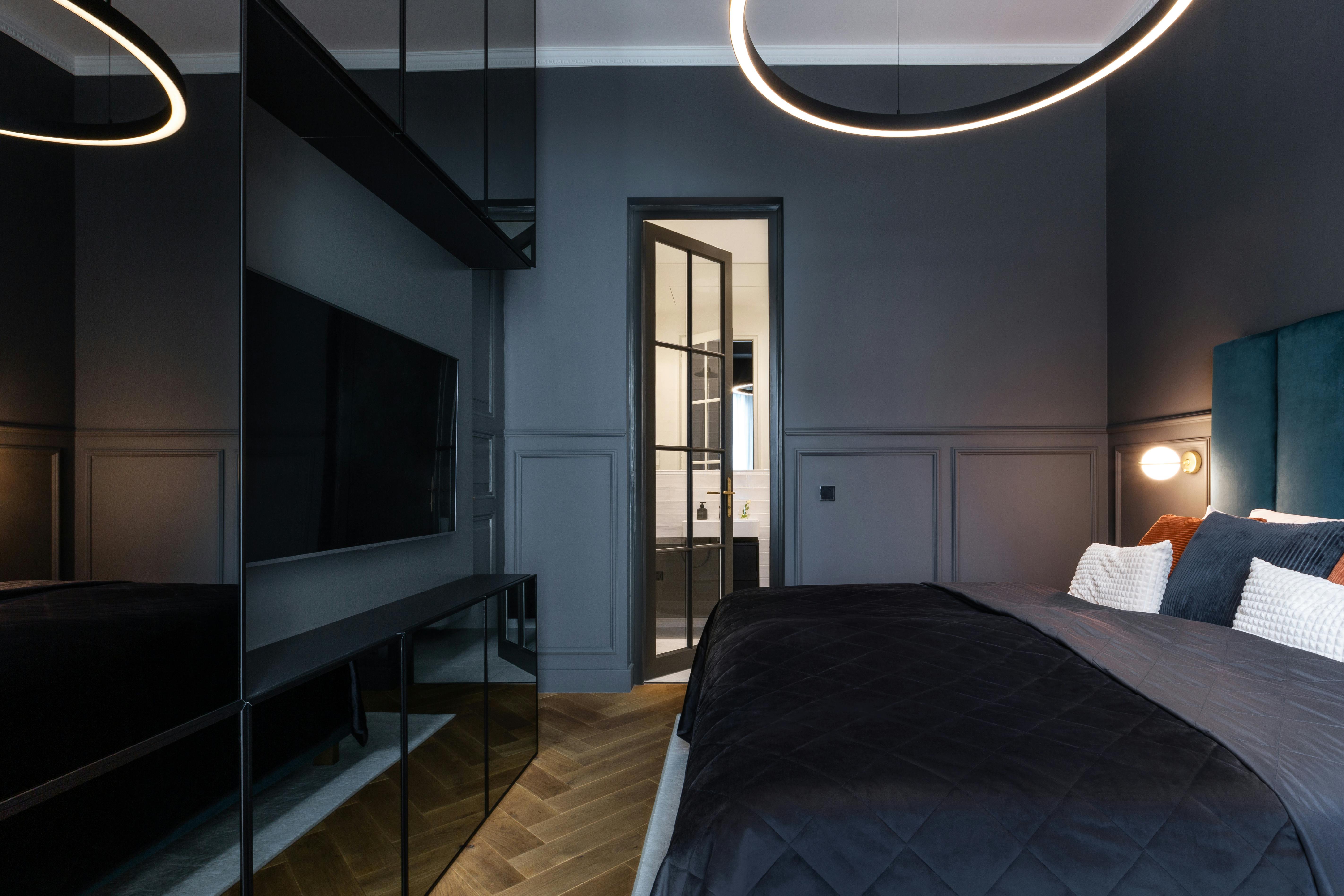
Beyond dedicated green specialists, several seasoned Dubai firms are well placed to deliver sustainable fit-outs when clients request them. This is about capacity and structure rather than any particular certification, which owners should always check directly. Depa, one of the region’s largest interior contractors since 1996, brings the scale and procurement reach to deliver responsible sourcing on major projects. Bond Interiors, active since 1986 and running in-house joinery manufacturing in Dubai Industrial City, can shorten supply chains and cut transport-related emissions on custom work. Swiss Bureau Interior Design, a design-and-build specialist established in 2003, delivers integrated delivery that makes managing efficient systems more straightforward. When engaging any of these firms for a green brief, ask explicitly how they will achieve your sustainability targets and document the outcome.
Making Sense of Green Regulations in 2026
Regulation is an increasingly important driver of sustainable design, and 2026 brings tighter expectations. The UAE Net Zero 2050 strategy sets the long-term national direction, while Dubai Municipality keeps refining fit-out guidelines that reward efficient, lower-carbon interiors. As with any project, work can begin only after a No Objection Certificate and a fit-out permit are secured from the relevant authority. Dubai Municipality oversees most areas, while the Dubai Development Authority or Trakhees handle specific communities and free zones, and these approvals typically take about 3 to 10 working days. A studio conversant with current requirements can help match your design with emerging standards rather than retrofitting compliance later. Before finalising your specification, you can consult official guidance directly on the Dubai Municipality portal.
Comparing Sustainable Design Approaches
Sustainable interiors bring together several approaches, and it helps to see how each one feeds into the whole. The table below sets out the main strategies, what they involve and why they matter in 2026. None of these approaches works in isolation, and the strongest projects combine them for compounding benefit. The figures and outcomes shown are general market observations, not guarantees for any one project. Use the table to order the measures that matter most for your building type and budget. Then brief your chosen studio clearly so the design aims at the outcomes you value.
| Strategy | What It Includes | 2026 Importance |
|---|---|---|
| LEED / green certification | Third-party checked energy, water, materials, air quality | Maps to UAE Net Zero 2050 |
| Biophilic interiors | Daylight, planting and natural materials | Lifts wellbeing and cuts energy demand |
| Low-impact materials | Low-VOC, recycled and locally sourced finishes | Lowers embodied carbon and waste |
| Smart-MEP | Efficient HVAC plus lighting controls | Lowers day-to-day operational energy |
| In-house manufacturing | Local joinery and a shorter supply chain | Lowers transport emissions |
Choosing a Sustainable Design Partner
Choosing the right sustainable partner hinges on evidence, specialism and clear communication. Begin with firms whose sustainability focus is authentic and proven, such as Summertown Interiors for LEED-oriented commercial work. Ask any studio to detail, in concrete terms, how it will meet your environmental targets across materials, energy and indoor air quality. Request documentation rather than accepting broad green claims, and check which certifications, if any, genuinely apply to your project. Weigh the modest upfront premium against long-term savings in energy, maintenance, and occupant wellbeing, which often justify the investment. Select the partner who treats sustainability as measurable engineering rather than decoration, and your interior will hold up for years to come.